Step one: confirm product type and quantity
Product family
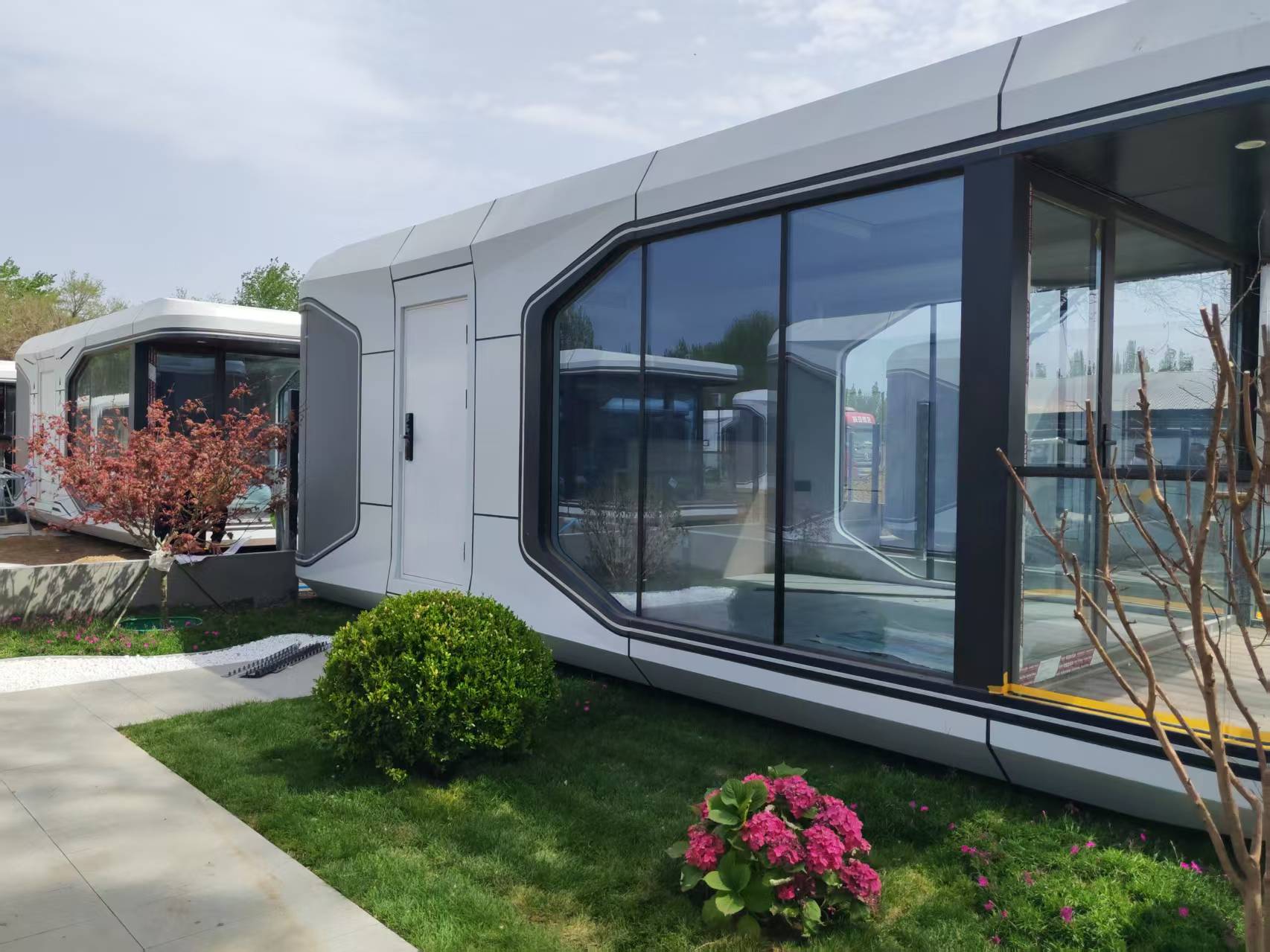
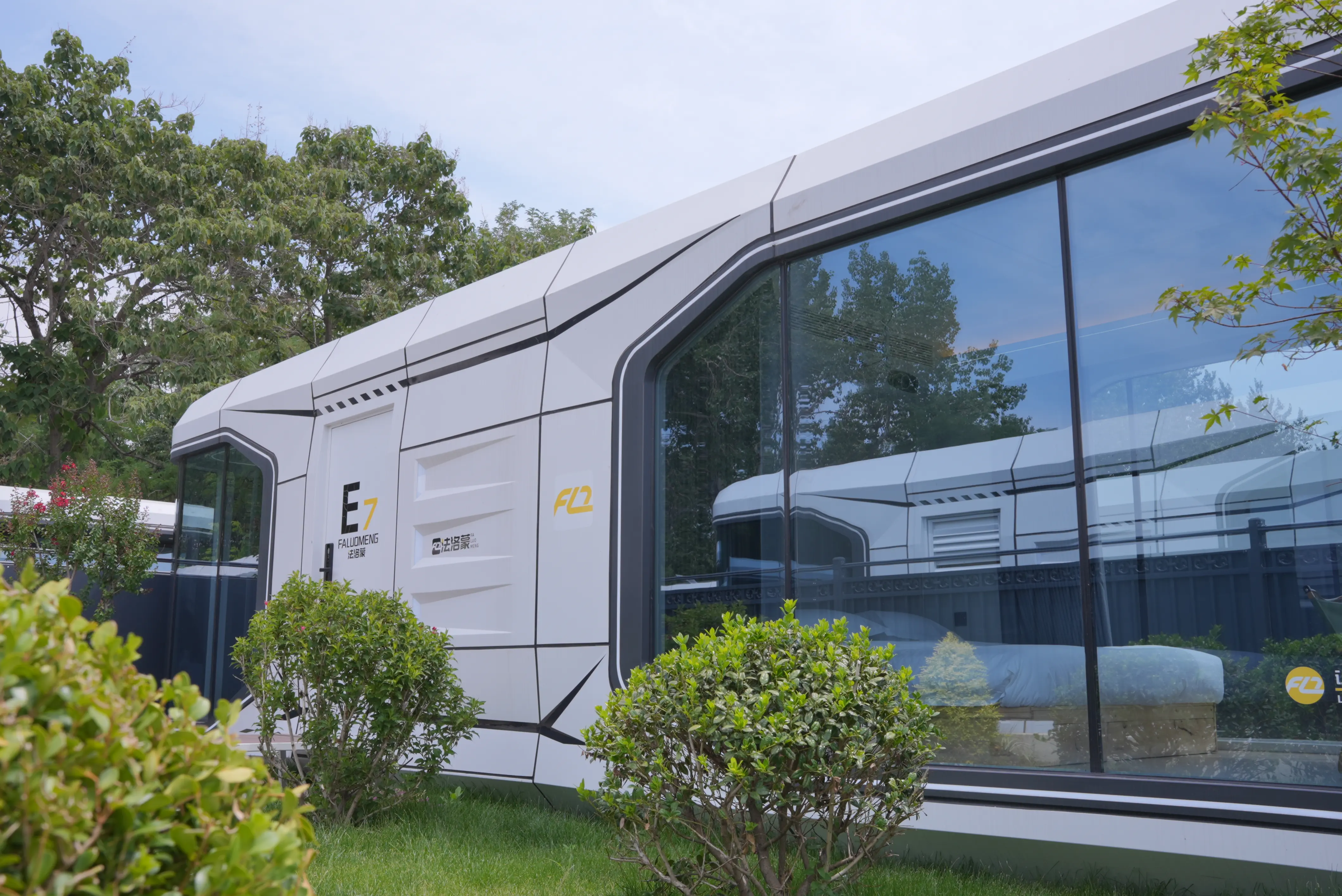
Space Capsule, Apple Cabin, Wooden Cabin, or container system
Different product lines respond very differently to shipping size, handling method, and site constraints.
Model and configuration
Dimensions, completion level, and option scope
These factors influence packing volume, weight, and transport planning.
Quantity
Initial quantity and whether delivery is phased
This helps determine whether a single demonstration unit or a batch shipment is more practical.
Destination
Country, nearest port, and project location
This is the baseline information for judging route and shipping logic.
Step two: match transport and installation to the product
Hospitality units
Usually need earlier discussion on oversize transport, lifting, and final placement
Finished units such as capsules often need route and site planning earlier in the process.
Container systems
Usually support more standardized packing and repeatable shipment planning
That makes them well suited to projects prioritizing loading efficiency and repeated deployment.
Site preparation
Foundation work, lifting equipment, and utility access should move in parallel
If these topics are delayed until after shipment, project risk usually rises sharply.